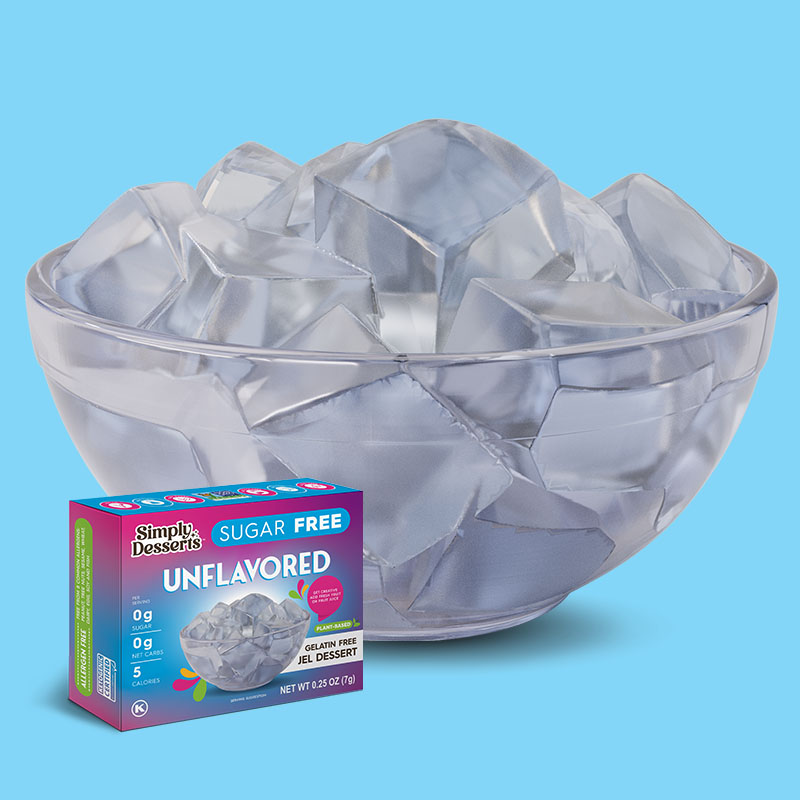
Gelatin vs plant based gelatin: everything you need to know for desserts, jellies, and home baking
Gelatin vs plant based gelatin refers to the difference between animal-derived collagen gelatin and plant-derived gelling agents used to set desserts, jellies, and gelled foods.
Gelatin vs plant based gelatin comes down to what you want your dessert to do (texture, set, sliceability, and stability) and who you’re serving (dietary preferences and restrictions).
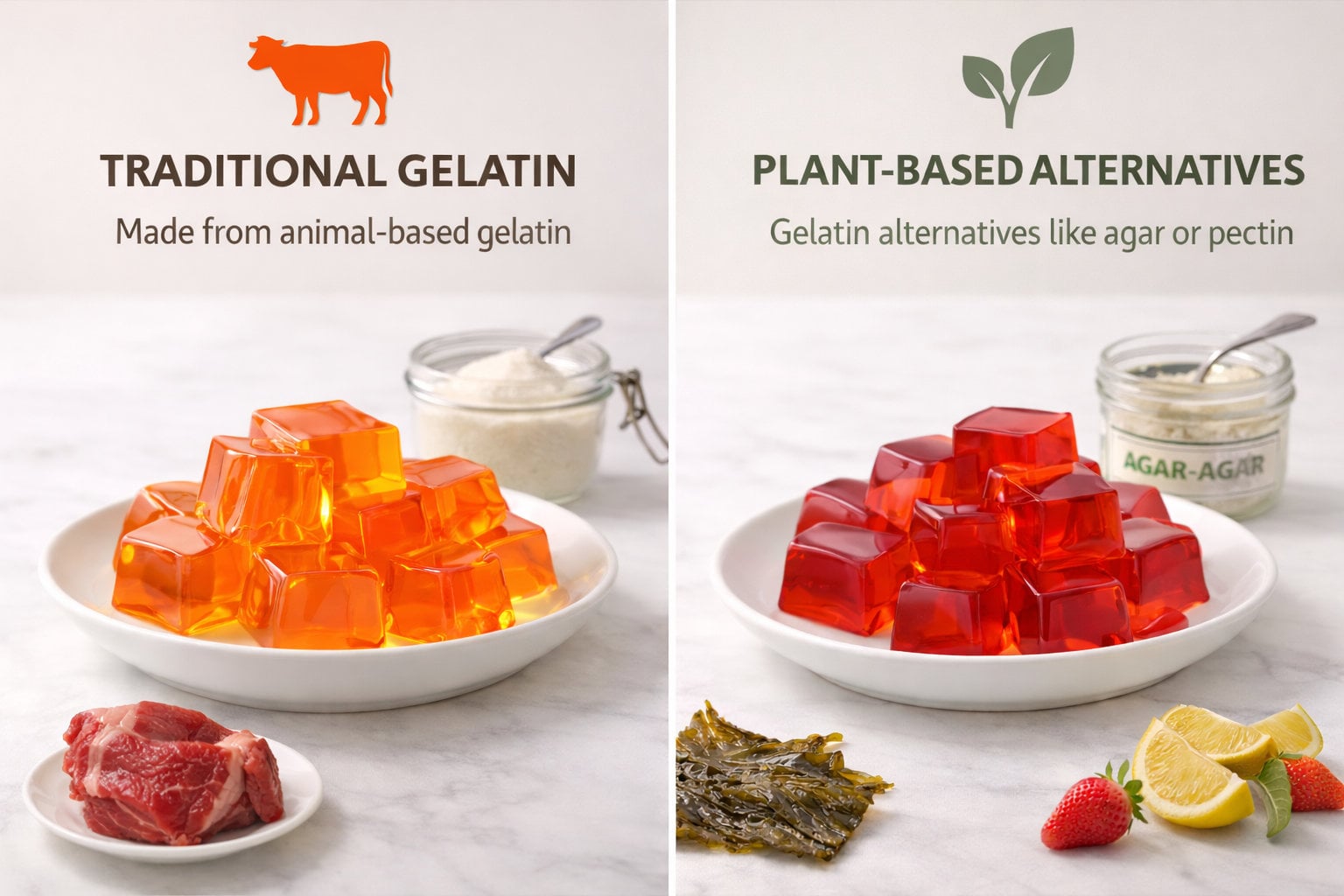
Gelatin is famous for creating that wobbly, “jiggly” set in classic jelly desserts, but not all “gelatin-style” desserts use the same ingredients. Traditional gelatin is typically derived from animal collagen, while plant-based gelatin alternatives use gelling agents from seaweed or fruit. Both can create beautiful, delicious desserts—just with different strengths.
If you’re baking for a group, this comparison is especially helpful for navigating dietary restrictions without making two desserts.
Table of Contents
- What is gelatin?
- What is animal-based gelatin made of?
- What does gelatin taste like?
- How is traditional gelatin made?
- How is jello usually made?
- Why is gelatin used in jello?
- What other ingredients can you find in jello?
- What is plant-based “gelatin”?
- What are the most common plant-based gelling agents?
- What is the difference between gelatin and plant based gelatin?
- What are the benefits of animal-based gelatin?
- What are the benefits of plant-based gelatin alternatives?
- How to choose the right option for you
- How do you get the best results with gelled desserts?
- What are common myths about gelatin and plant-based gels?
- FAQs

What is gelatin?
Gelatin is a gelling ingredient used to thicken and set liquids into a soft, bouncy gel. In desserts, gelatin is what turns flavored liquid into a sliceable or spoonable jelly. In savory cooking, gelatin can add body and a silky mouthfeel to broths, sauces, and aspics.
The most important idea is this: gelatin is a function (a set and texture), not only a single ingredient. Traditional gelatin and plant-based gelling agents can both achieve a gelled dessert—often with slightly different textures and handling.
What is animal-based gelatin made of?
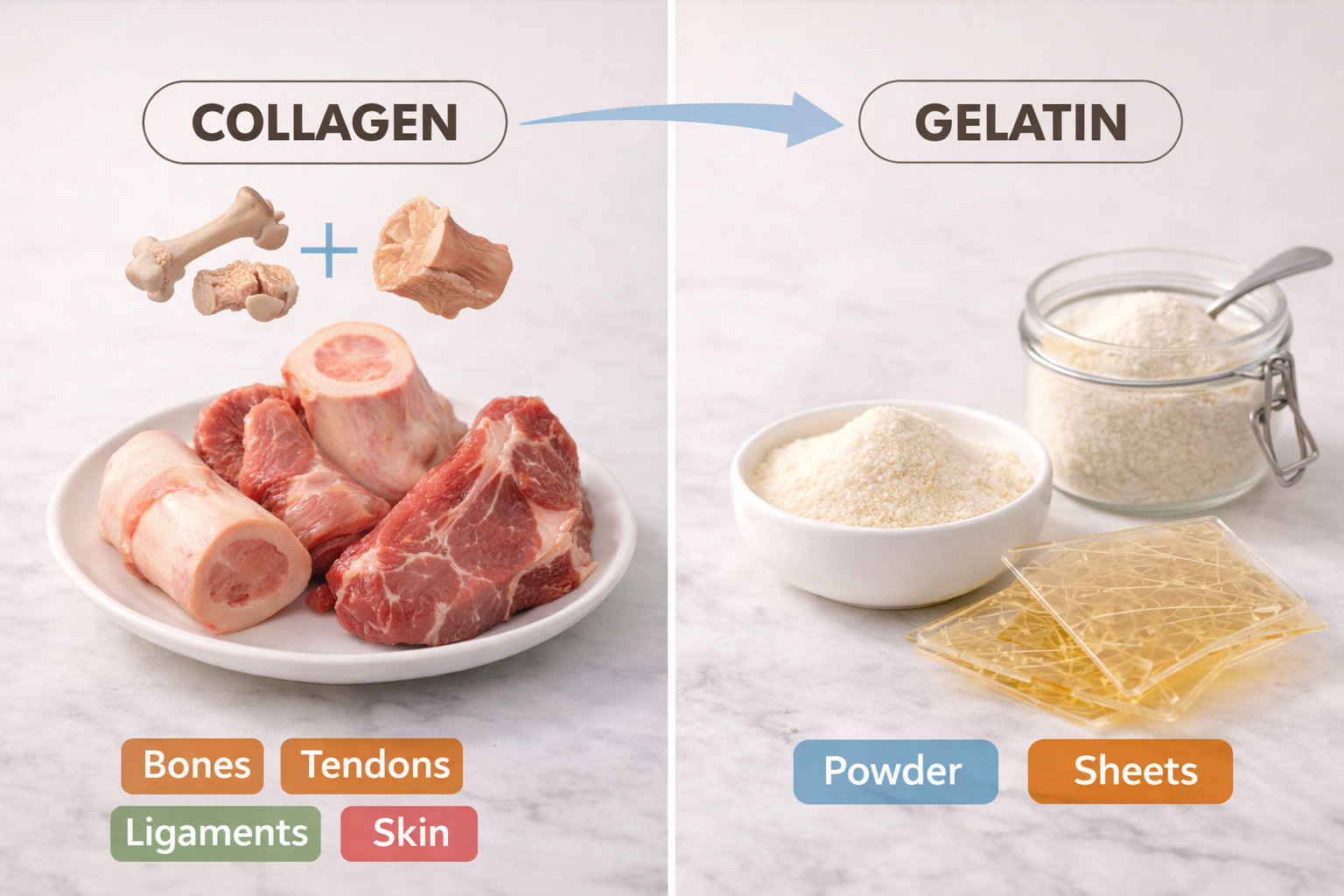
Traditional gelatin is made from collagen, a structural protein found in the connective tissues of animals. Collagen naturally helps provide strength and flexibility to skin, joints, tendons, ligaments, and bones. In food production, collagen is processed and purified into gelatin, which can then be used as a powder or sheet form in cooking and baking.
From a nutrition perspective, gelatin is mostly protein, but it’s not typically considered a complete protein because it does not contain all essential amino acids in balanced amounts. In desserts, though, gelatin is primarily used for texture and setting power rather than as a protein source.
Because it’s derived from animals, traditional gelatin may not work for certain dietary restrictions that avoid animal products.
What does gelatin taste like?
Plain gelatin is generally clear and neutral in flavor and aroma. It’s frequently used as a thickening or setting ingredient because it has no strong taste or odor on its own. Instead, it takes on the taste of whatever you make with it—fruit flavors, vanilla, chocolate, citrus, or anything else.
How is traditional gelatin made?
Traditional gelatin starts as collagen-rich animal materials (such as skin, connective tissue, and bones) that are cleaned and processed. Collagen is extracted using controlled steps (often involving heat and pH adjustments), then purified, dried, and milled into a powder (or formed into sheets).
Outside the kitchen, gelatin can appear in non-food products, but in desserts its role is purely about texture: helping liquids set and hold their shape in a way that feels pleasant to eat.
How is jello usually made?
Now that we know where traditional gelatin comes from, it’s easier to understand how it becomes a familiar snack. In many classic store-bought jello-style products, animal hides, bones, and other collagen-rich parts are processed to extract collagen, which is then purified and dried into gelatin powder.
Many people also search for jell o recipes when they want the classic jiggle-and-set texture for parties, lunchbox treats, or holiday desserts.
That powder is used to set flavored liquid into a gel. Depending on the product, it may be used for jelly cups, candy-style gels, baking, puddings, or food decoration. The core idea is the same: gelatin provides the structure that turns a liquid into something that holds shape on a spoon or plate.
Some people also encounter gelatin in non-food contexts (like cosmetics or capsule shells). For this article, we’re staying focused on food and desserts—where gelatin is primarily used to create that iconic gelled texture.
Why is gelatin used in jello?
The powdered jello you dissolve at home to make classic jelly desserts usually contains powdered animal gelatin to give it that sought-after wobbly texture.
When the mixture cools, those strands reform into a network that traps water molecules inside. That’s what creates the well-known and loved texture—gelatinous, jiggly jello.
For many home cooks, jell o is the easiest way to get that familiar wobble without needing specialized ingredients or techniques.
What other ingredients can you find in jello?
Most jello-style mixes you can find on supermarket shelves contain animal gelatin alongside other powdered ingredients. These ingredients often include:
- Artificial or natural flavors
- Sweeteners (such as sugar or sugar substitutes)
- Colorings (natural colors or dyes)
Many products still use artificial dyes, though some manufacturers use more natural colors in response to consumer preference. The best approach is to check the label for the ingredients that matter most to you—especially if you’re managing dietary restrictions.
If you’re comparing ingredient labels, you may notice that some jell o-style mixes emphasize different sweeteners or colors depending on the brand and target audience.
What is plant-based “gelatin”?
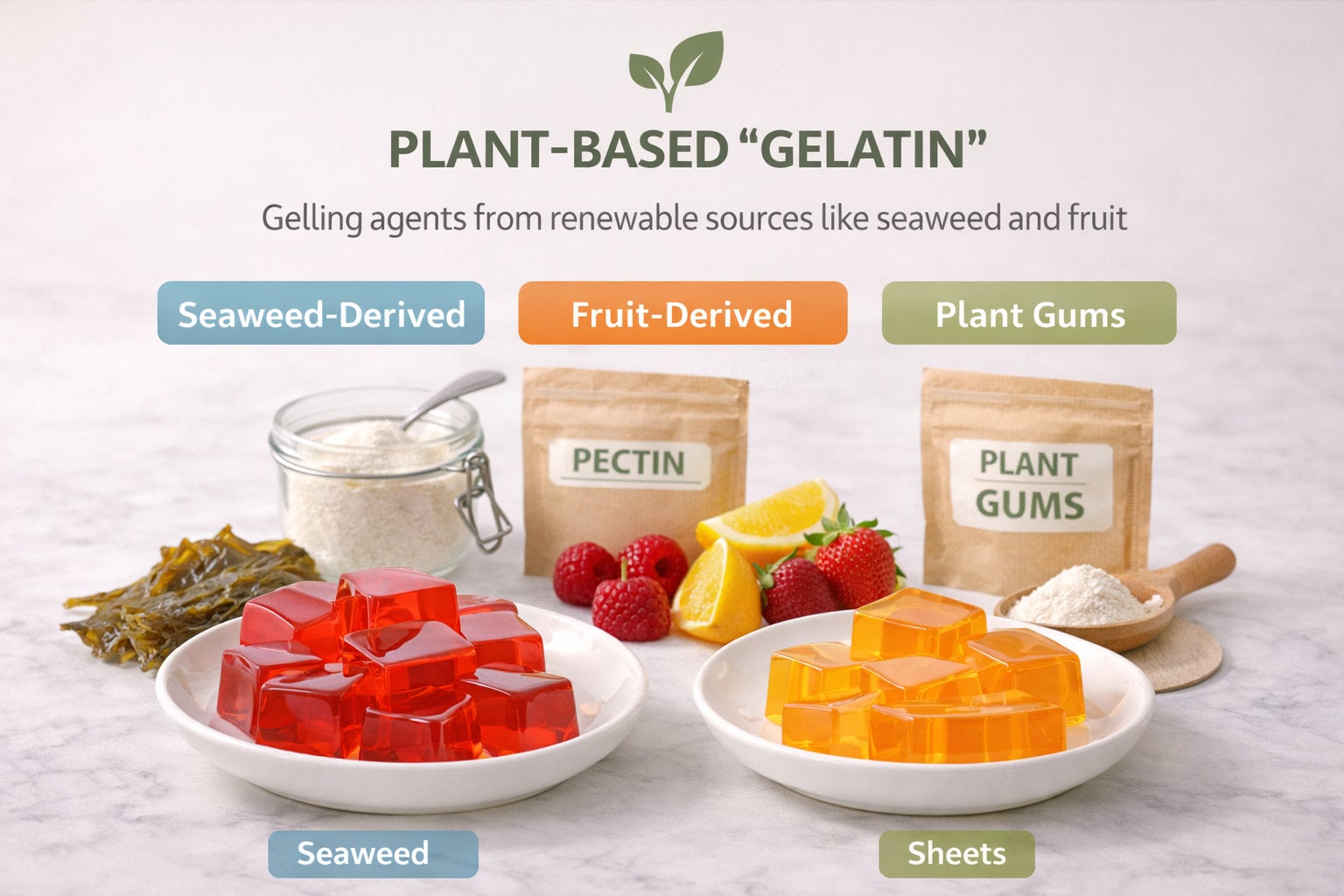
Plant-based gelatin is a common phrase for gel-setting ingredients that are not derived from animals. These ingredients can still help desserts set and hold their shape, but the texture can differ depending on which gelling agent (or blend) is used.
If you’re looking for solutions that fit dietary restrictions, plant-based options can make it easier to serve vegetarian foods and vegan desserts with the same “set” experience.
Instead of collagen, plant-based gel systems typically use:
- Seaweed-derived gelling agents (often used for firm gels and creamy set desserts)
- Fruit-derived gelling agents (commonly used for jams, fruit gels, and gummy-like textures)
- Plant gums (sometimes used for thickening or texture support)
In simple terms, these are plant based alternatives that can help desserts set using renewable sources as the primary raw material (like seaweed or fruit), rather than animal products.
What are the most common plant-based gelling agents?
Agar agar (from seaweed)
Agar agar is a seaweed-derived gelling agent known for creating a firm, sliceable set. It’s often used for clear gels, clean layers, and molded shapes that need to hold their form. Agar-style gels can feel more “snappy” than traditional gelatin—less melt-in-the-mouth and more structured.
- Sharp edges in molded desserts
- Clean, defined layers
- Strong set for presentation
Because seaweed is the key raw material for agar agar, it’s often used as one of the most straightforward plant based alternatives for gelled desserts.
Pectin (from fruit)
Pectin is a fruit-derived gelling agent commonly used in jams, jellies, and fruit-based gummy textures. Pectin gels can have a clean, short bite, which works beautifully in fruit-forward desserts. Different types of pectin behave differently depending on sugar content and acidity, so it’s often chosen with the specific recipe in mind.
- Fruit gels and jammy layers
- Gummies with a fruit chew
- Desserts where fruit flavor is the star
In many recipes, fruit is the main raw material behind pectin-based gels, which is one reason pectin is popular in vegetarian foods like jams and fruit jellies.
Carrageenan (from seaweed)
Carrageenan is also derived from seaweed and is often used to support creamy, cohesive textures in spoonable desserts. Depending on the type and formulation, carrageenan can help create a set that feels smooth and spoon-friendly—especially useful for pudding-style cups and panna cotta-inspired desserts.
- Creamy set desserts
- Puddings and custard-like textures
- Gels that need a softer, spoonable finish
Seaweed is the core raw material for carrageenan, making it another reliable part of many plant based alternatives used in desserts.
Other plant-based thickeners (context only)
You may also see ingredients like xanthan gum, guar gum, arrowroot, and tapioca starch in dessert recipes. These can help with thickening and texture, but they do not always create the same classic “jelly set” on their own. If your goal is a true gelled dessert, agar, pectin, and seaweed-derived gelling systems are usually the more direct tools.
What is the difference between gelatin and plant based gelatin?
If you want a quick, no-jargon overview, this is the simplest way to think about it: traditional gelatin tends to be soft and bouncy, while plant-based gels can range from firm and sliceable to creamy and spoonable, depending on the ingredients used.
The main difference between gelatin and plant-based gelatin is texture behavior, ingredient source, and temperature stability, which affects how desserts set and hold shape.
| Feature | Traditional animal-based gelatin | Plant-based gelatin alternatives |
|---|---|---|
| Source | Animal collagen | Plants (seaweed or fruit) |
| Vegan/Vegetarian | No | Yes (depends on formulation and certification) |
| Texture | Soft, bouncy, “melt-in-the-mouth” | Firm & sliceable (agar), clean fruit bite (pectin), or creamy cohesive set (carrageenan) |
| Room-temp stability | Often best kept chilled | Some agar-style gels can hold better at room temperature (recipe and environment matter) |
| Best for | Classic jelly cups, marshmallows, mousse-style desserts | Clear cubes/layers, fruit gels and gummies, creamy spoon desserts like puddings |
There’s no universal “right” or “wrong.” The best choice depends on the texture you love, your serving conditions, and any dietary restrictions you’re cooking for.
What are the benefits of animal-based gelatin?
Traditional gelatin remains popular for good reasons. If it fits your dietary preferences and you love classic textures, it can be an excellent tool in the kitchen.
1) Classic texture and mouthfeel
Gelatin’s signature strength is its tender, bouncy gel that softens as you eat it. For many people, that melt-in-the-mouth feel is the “true” jelly dessert experience.
2) Reliable setting for familiar recipes
Many legacy dessert recipes were developed around gelatin’s behavior, which makes it a natural fit for traditional jelly molds, airy mousse-style desserts, and certain marshmallow textures.
3) Neutral flavor
Because gelatin is typically neutral, it lets fruit flavors, vanilla, chocolate, or citrus profiles shine without adding noticeable taste of its own.
4) Versatility across sweet and savory
Gelatin can be used in desserts as well as savory dishes to add body and structure. If you cook across a wide range of styles, gelatin may earn its place as a flexible pantry ingredient.
What are the benefits of plant-based gelatin alternatives?
Plant-based gelatin alternatives shine when your priorities include inclusive serving, certain presentation needs, or specific textures like firmer cubes or creamy set cups.
1) Fits more lifestyles
Plant-based gels can be suitable for vegan and vegetarian preferences and are often used in products designed for broader dietary compatibility. Because these ingredients are vegan-friendly, they’re often chosen for mixed-diet households and inclusive dessert menus.
2) Ingredient familiarity for some shoppers
Many people recognize fruit pectin and seaweed-derived ingredients. For ingredient-conscious cooks, plant-based gel systems can feel straightforward and approachable—especially when the goal is a simple, set dessert with recognizable components.
3) Strong presentation options
Some plant-based gels (particularly agar-style gels) can help desserts hold their shape cleanly for slicing, layering, and display. This can be useful for parties, potlucks, bake sales, and dessert tables where a firmer set is preferred.
4) Wide texture range
“Plant-based gelatin” isn’t a single texture. Depending on the gelling agent and recipe, you can create:
- Firm, sliceable gels
- Fruit-forward, gummy-style bites
- Creamy, spoonable set desserts
How to choose the right option for you
If you’re deciding between animal-based gelatin and plant-based gelatin alternatives, use these practical questions to pick the best fit.
Are you cooking for specific dietary preferences?
If you’re serving vegan or vegetarian guests (or simply want a dessert that fits more lifestyles), plant-based gelling agents are the simpler default. If your group is comfortable with animal-derived ingredients, traditional gelatin can be a great option for classic textures.
What texture do you actually want?
Texture is often the real deciding factor:
- Soft, bouncy, classic wobble: traditional gelatin often excels here.
- Firm cubes and crisp slices: agar-style gels are frequently chosen for this.
- Fruit chew and clean bite: pectin-based gels can be ideal.
- Creamy spoon desserts: seaweed-derived systems like carrageenan can help create cohesive, smooth sets.
How will you serve it?
If your dessert will sit out for a while (buffet, picnic, party table), a firmer plant-based gel may display better. If it will be served chilled from the fridge and you want a tender gel, traditional gelatin can be perfect.
What are you making?
Match the tool to the dessert:
- Layered jelly desserts: both can work; plant-based options may offer cleaner layers.
- Marshmallow-style textures: traditional gelatin is commonly used in classic recipes.
- Fruit gels and gummies: pectin-style systems are often a natural fit.
- Puddings and creamy cups: seaweed-derived gelling systems can support smooth sets.
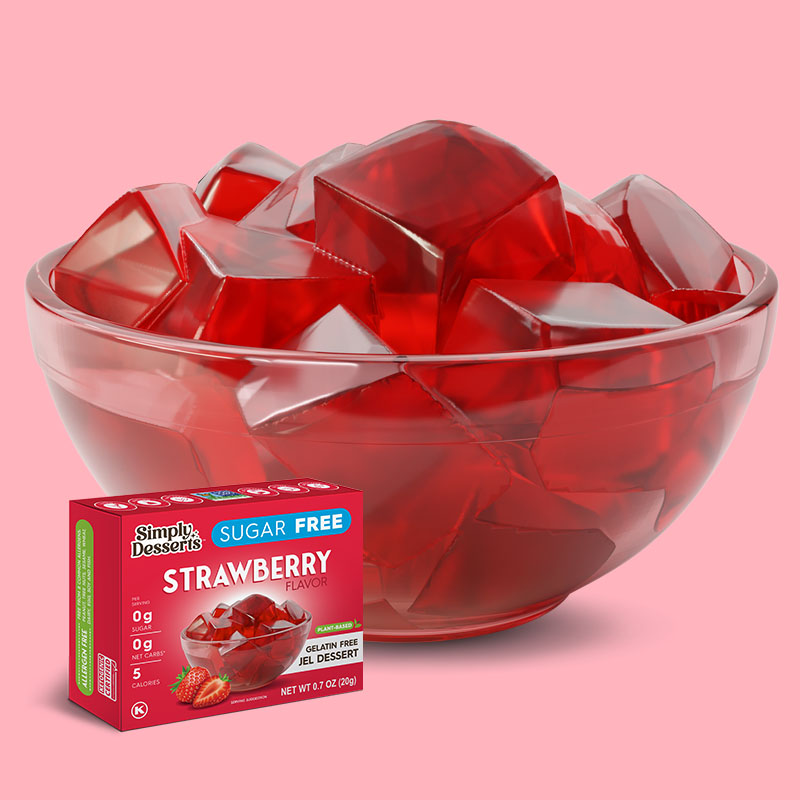
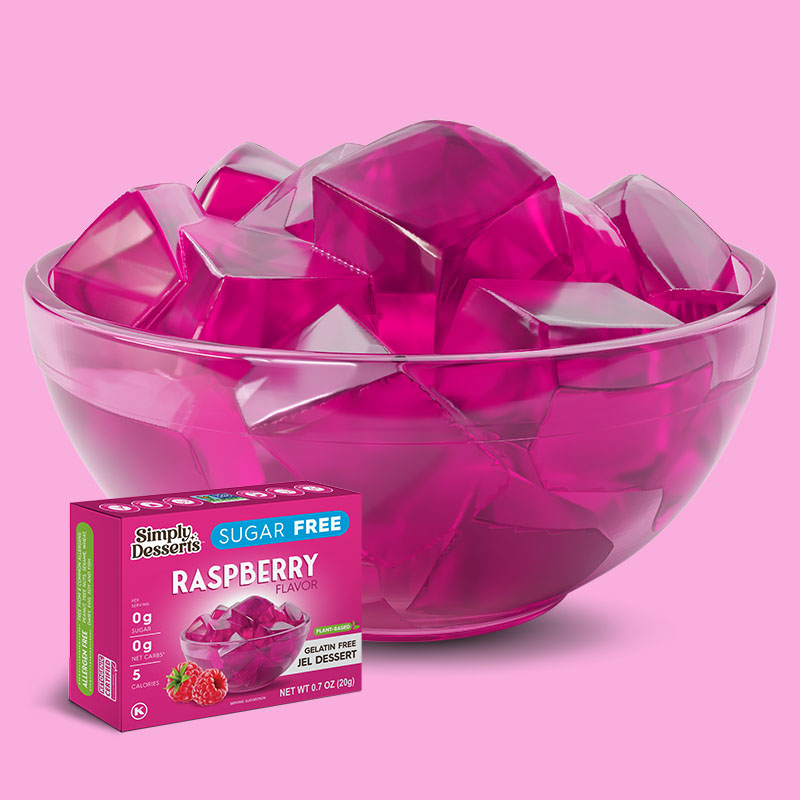
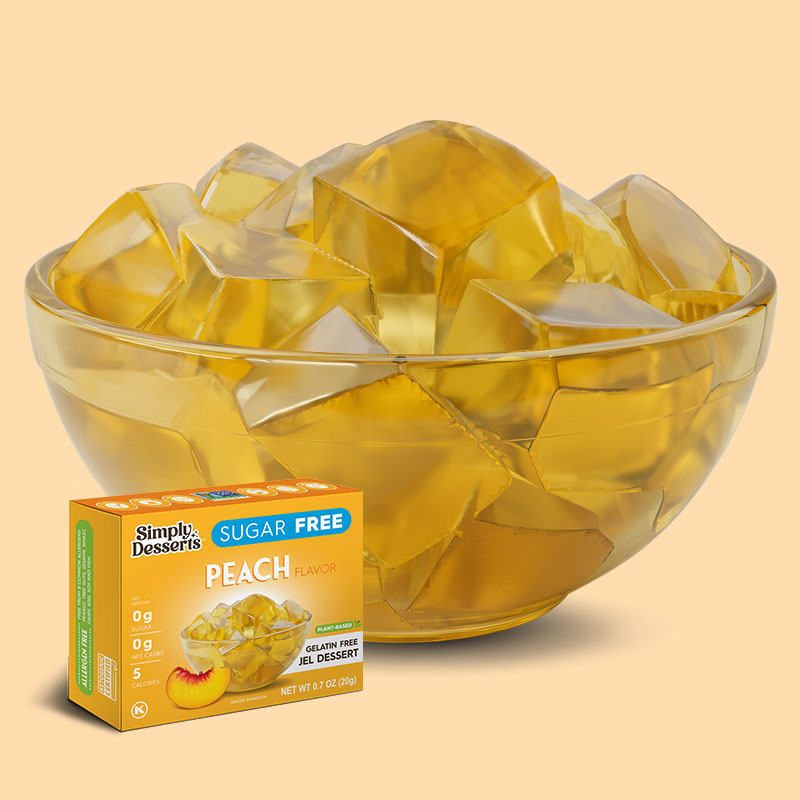
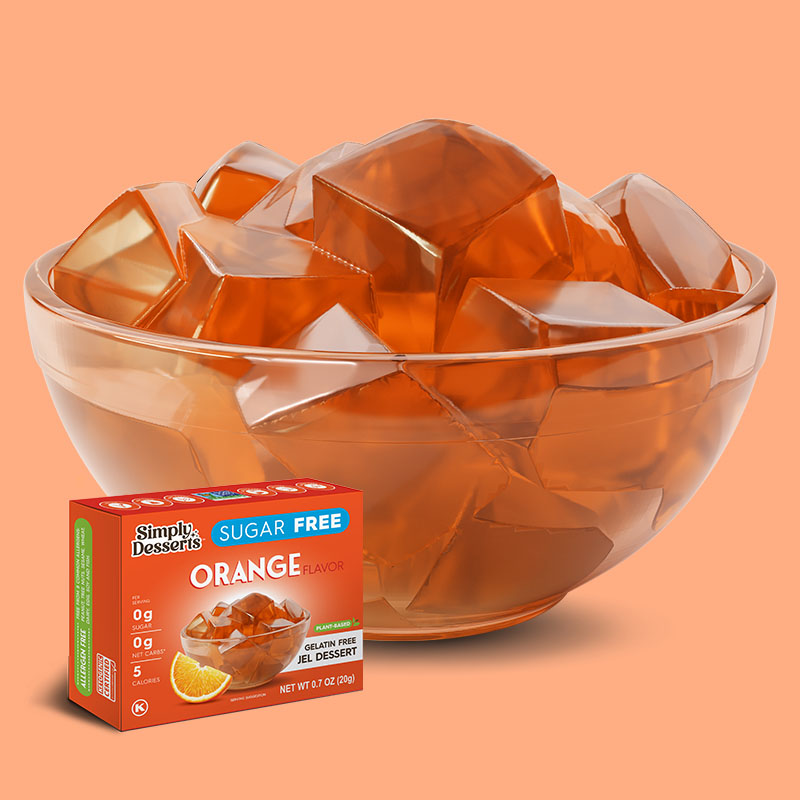
If you want a simple dessert idea that leans into gelled texture without reinventing your kitchen routine, you can explore recipe inspiration here: Low Carb Broken Glass Jel Dessert.
Understanding gelatin vs plant based gelatin helps you choose the right setting approach based on texture preferences, dietary needs, and how you plan to serve your dessert.
If serving guests with plant-based preferences, choosing a vegan-friendly gelling option can simplify dessert planning—especially when you’re trying to satisfy multiple dietary restrictions in one dish.
How do you get the best results with gelled desserts?
Regardless of which direction you choose, these basics will help you get a better set, better texture, and more consistent results.
1) Measure carefully
Small changes in gelling ingredients can create big changes in texture. A little too much can turn a dessert rubbery; too little can leave it loose. Follow a trusted recipe and keep notes when you experiment.
2) Mind heat and timing
Traditional gelatin is typically bloomed in cool water and then dissolved in warm liquid. Plant-based gelling agents vary more—some need a full simmer to activate properly. Always follow the preparation method that matches the ingredient you’re using.
3) Plan your layers
For layered desserts, let each layer set enough to support the next. If you pour the next layer too early, layers can bleed. If you wait too long, layers may not bond as smoothly. A “tacky set” (partially set but still receptive) is often ideal.
4) Consider acidity and add-ins
Some gels can behave differently in very acidic mixtures or with certain fresh fruits. If you’re creating fruit-heavy desserts, choose a method designed for that type of fruit mixture and test in small batches.
5) Chill and store appropriately
Many gelled desserts are best stored chilled in an airtight container. If you’re planning to display at room temperature, choose a recipe specifically designed to hold its set in those conditions.
6) When in doubt, test agar agar in a small batch
If you’re new to plant-based gels, make a small “test cup” first. Agar agar sets differently than traditional gelatin, so a quick trial helps you dial in firmness before you pour a full batch.
What are common myths about gelatin and plant-based gels?
Myth 1: Plant-based gels can’t taste “classic”
Flavor comes from your liquid base (fruit, sweetener, extracts, spices), not from gelatin itself. Traditional gelatin is neutral, and most plant-based gelling agents are also neutral when used correctly. The main difference is usually texture, not flavor.
Myth 2: All plant-based gels are the same
Agar, pectin, and carrageenan can create noticeably different results. Some set firm and sliceable, some create a clean fruit bite, and some support creamy spoonable textures. If you’ve tried one and didn’t love it, you may simply need a different gelling approach for that dessert style.
Myth 3: A firmer gel always means “better”
Not necessarily. A firmer gel can be great for cubes, layers, and slicing, but a softer gel can be exactly right for a classic jelly cup. The best texture is the one that matches your dessert and your preferences.
Myth 4: You can always swap 1:1
Direct swaps can change firmness, mouthfeel, and set time. If you want consistent results, start with a recipe designed for the gelling ingredient you’re using, then adjust gradually to reach your ideal texture.
FAQs
Is gelatin vegan?
Traditional gelatin is typically made from animal collagen, so it is not vegan. If you want a vegan-friendly gelled dessert, look for plant-based gelling agents such as agar agar, pectin, or seaweed-derived gelling systems designed for desserts.
Is plant-based gelatin the same as agar?
Not always. “Plant-based gelatin” is a broad phrase that can include agar (seaweed-derived), pectin (fruit-derived), carrageenan (seaweed-derived), and other gelling systems. Each one sets differently, so the best choice depends on whether you want a firm slice, a fruit chew, or a creamy spoonable set.
Which is better for a classic wobbly jelly dessert?
If you want the traditional soft, bouncy, melt-in-the-mouth texture many people associate with classic jelly cups, animal-based gelatin often matches that experience closely. Plant-based options can still create delicious jelly desserts, but the texture may be firmer or “snappier,” depending on the ingredient used.
Do plant-based gels hold up at room temperature?
Some do, especially agar-style gels, which can hold their shape better at room temperature in many recipes. However, room-temperature stability depends on the full recipe, environment, and serving time. If you’re planning a party table or delivery, test your recipe before the event.
Can vegetarians eat gelatin?
Because traditional gelatin is typically derived from animal collagen, many vegetarians avoid it. Vegetarian-friendly gelled desserts usually rely on plant-based gelling agents such as agar, pectin, or seaweed-derived systems. If vegetarian suitability matters, choose a recipe and ingredient that clearly fits those preferences.
What’s the best plant-based option for fruit gels and gummies?
Pectin is commonly used for fruit-forward gels, jams, and gummy-style textures because it can create a clean bite and highlight fruit flavor. The ideal pectin type can depend on sugar and acidity, so using a pectin-specific recipe is the most reliable way to get the texture you want.
What’s the best option for creamy set desserts like pudding cups?
For creamy, spoonable set desserts, seaweed-derived gelling systems (often including carrageenan) are frequently used to support cohesive, smooth textures. Traditional gelatin can also be used in some creamy desserts, but the final mouthfeel may be different from a seaweed-derived set.
Can I swap animal-based gelatin for plant-based gelatin 1:1?
Usually not. Plant-based gelling agents vary in strength and setting behavior, so a direct 1:1 swap can change texture and firmness. The most reliable approach is to use a recipe written for the specific gelling ingredient you’re using, then adjust carefully based on your preferred texture.